

One brake pad wearing faster? Bernhard Auto Works in Columbia, IL, explains sticking slides, binding pads, and trapped pressure.
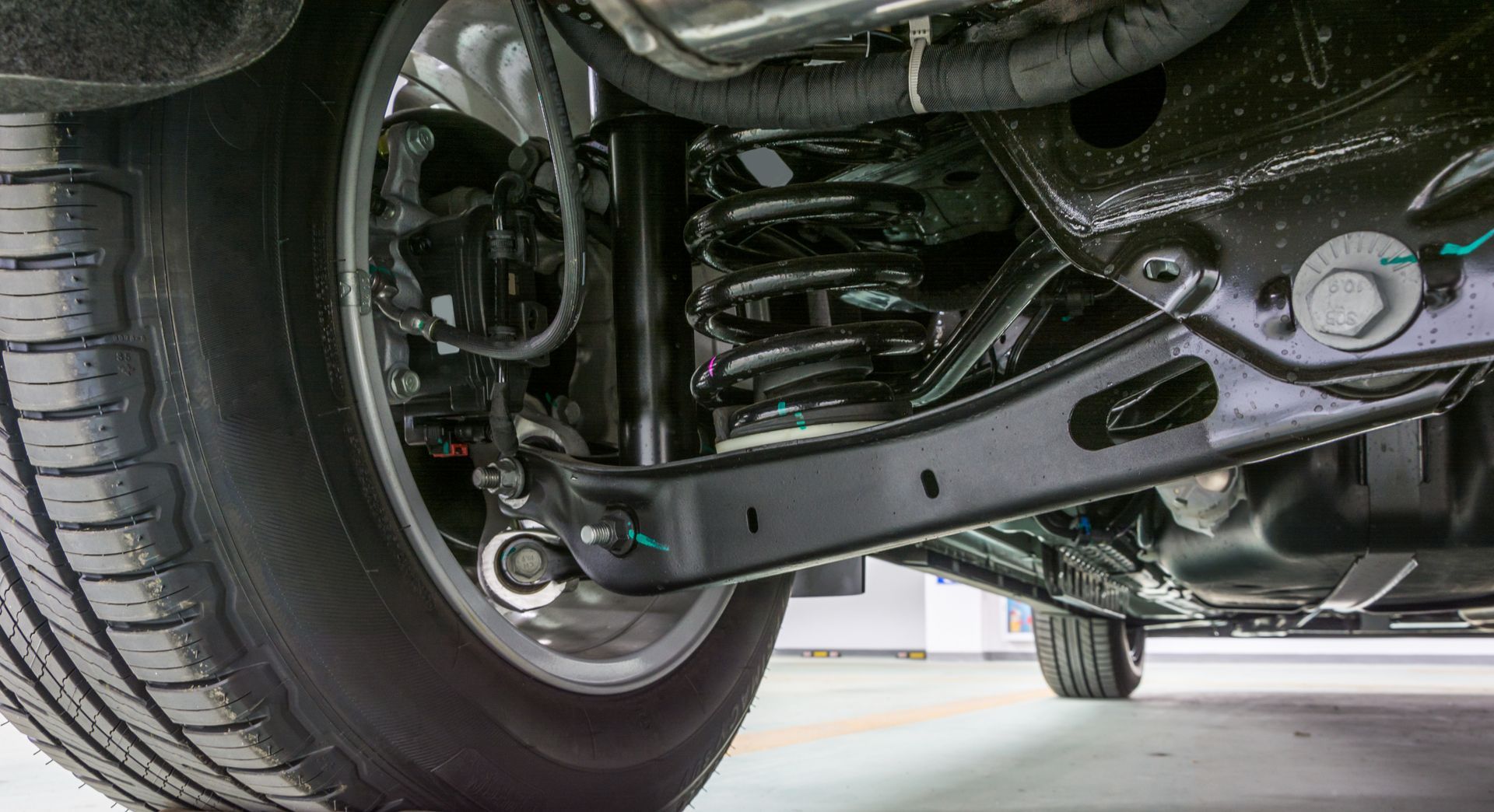
Worn shocks or struts can affect control and tire wear. Learn seven signs to watch for and when to schedule a suspension inspection.
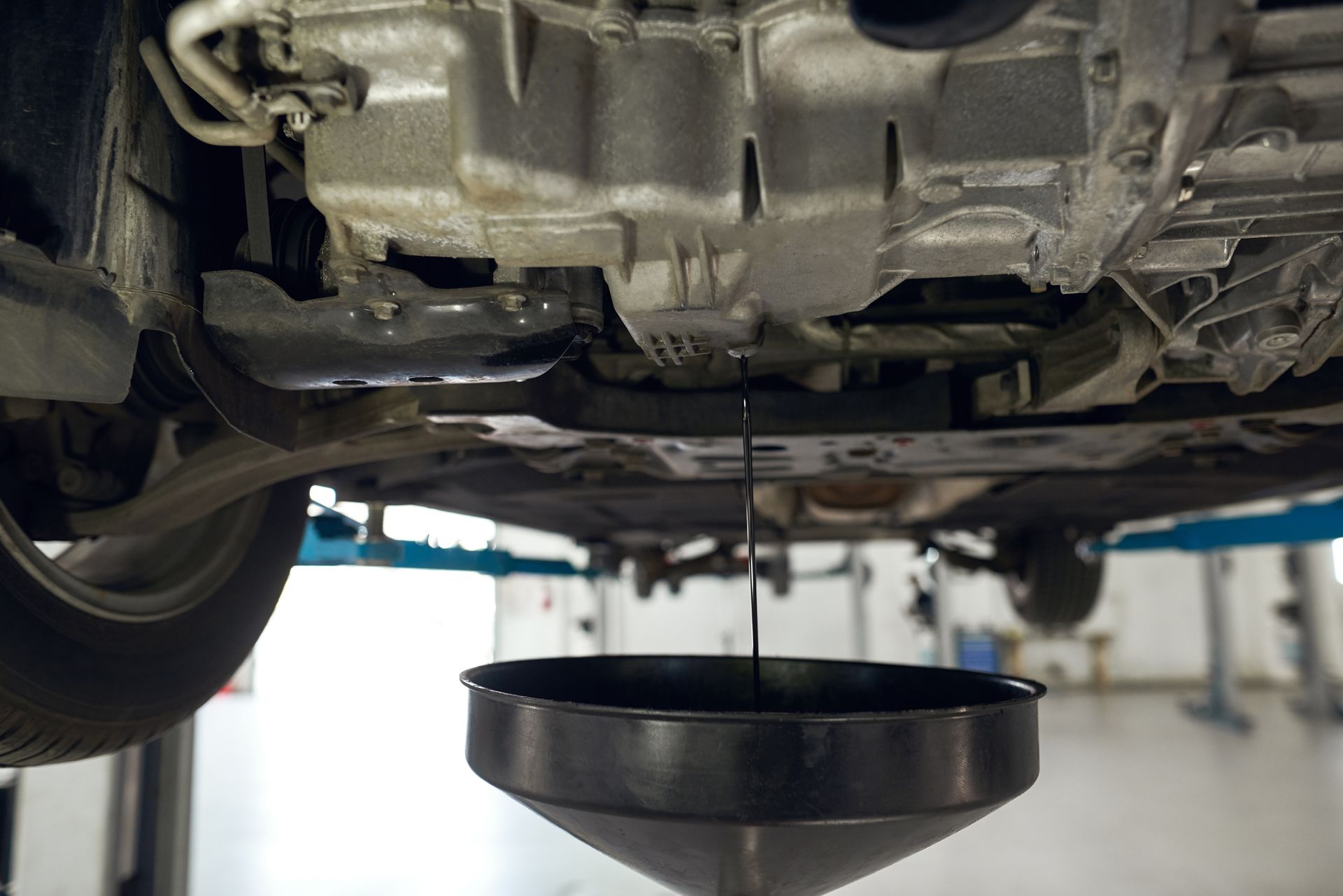
Bernhard Auto Works in Columbia, IL, explains what a complete oil change service should include beyond fresh oil.
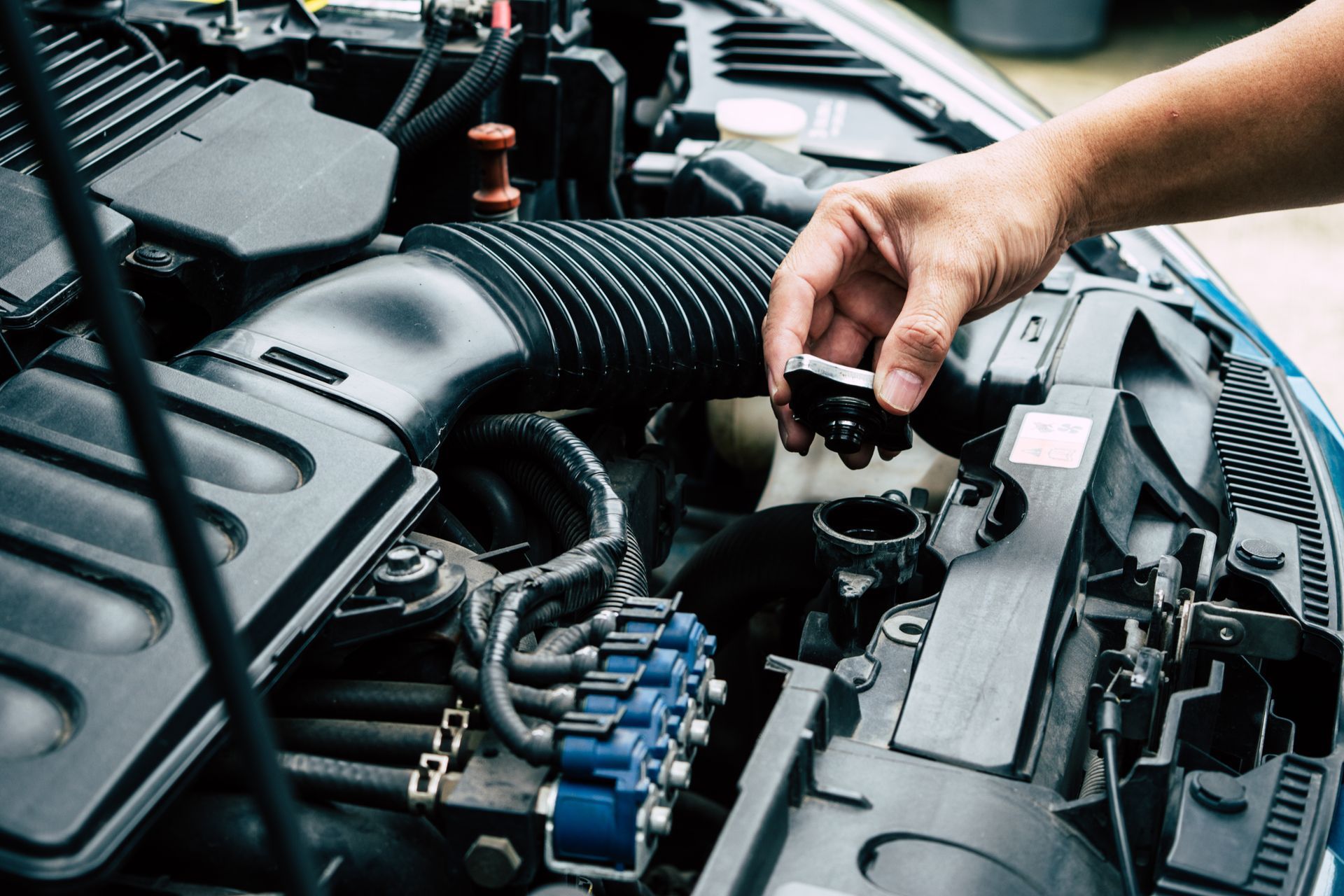
Bernhard Auto Works in Columbia, IL, explains five cooling system parts that can fail before a leak appears.

At Bernhard Auto Works, located in the heart of Columbia, IL, we understand that your vehicle is an essential part of your daily life. Whether you're commuting to work, running errands, or embarking on a road trip, a smooth and controlled ride is crucial. That's why we're here to guide you through everything you need to know about steering and suspension repair, ensuring your vehicle handles well and keeps you safe on the road. Steering and suspension systems are intricate networks that work together to offer comfort, control, and stability. When these systems are compromised, you might notice an array of issues like excessive bouncing, uneven tire wear, or steering difficulties. By understanding the common problems and maintaining them well, you can extend your vehicle's lifespan and ensure your journeys remain comfortable. Understanding the Role of Steering and Suspension Systems The steering system provides precise control over your car's direction. It includes components like the steering wheel, column, rack, and pinion, all of which contribute to how your car responds when you turn the wheel. Meanwhile, the suspension system, comprising shocks, struts, and springs, absorbs road impacts, ensuring a smooth ride even on uneven surfaces. Signs Your Steering and Suspension Need Attention We believe in empowering our customers with knowledge, allowing them to make informed decisions about their automotive care. Here are some signs that your steering and suspension system might need repair: Unusual tire wear patterns: If you notice uneven tire wear, it could be due to a misaligned suspension. Steering difficulties: Experiencing a loose or stiff steering wheel can indicate steering system issues. Vibrations or noises: Clunking or squeaking sounds may arise from worn-out suspension components. Vehicle pulls to one side: This can be a symptom of alignment issues within the suspension system. Excessive bouncing: If your car bounces heavily after hitting a bump, your shock absorbers might be failing. The Importance of Regular Maintenance Consistent maintenance is key to preventing small issues from becoming significant problems. At Bernhard Auto Works, we recommend routine inspections to catch potential issues early. Services like wheel alignment and suspension checks can save you money and provide peace of mind. Our Approach to Repair at Bernhard Auto Works At our Columbia, IL shop, we pride ourselves on delivering personalized service and expert repairs. When it comes to steering and suspension, we conduct thorough assessments to identify the root cause of any issues. Our team uses state-of-the-art diagnostic tools and high-quality replacement parts to ensure your vehicle's performance and safety are restored to optimal levels. Prevention Tips from the Pros We believe that knowledge is power, so here are some tips to help you maintain your vehicle's steering and suspension systems: Avoid aggressive driving: Rapid starts and stops can stress the suspension system. Inspect regularly: Check tires and suspension parts for wear and tear periodically. Stay aligned: Regular wheel alignments will prevent uneven tire wear and improve handling. Use quality parts: Always choose high-quality replacement parts for repairs. Our Commitment to Excellence When you bring your vehicle to Bernhard Auto Works in Columbia, IL, you're entrusting it to a team that values excellence and customer satisfaction above all. Our technicians are not only skilled but also passionate about educating our customers and community. So, if you've noticed signs that your steering and suspension might need some attention or simply want to ensure your vehicle is in the best condition, we invite you to visit us at Bernhard Auto Works. Let's navigate the road to a smoother ride together. Schedule an appointment today!
At Bernhard Auto Works in Columbia, IL, we believe that the heart of any vehicle is its engine. Just like the human heart, your engine requires regular check-ups to ensure it functions at peak performance. Engine diagnostics serve as our window into the heart of your vehicle, allowing us to pinpoint issues before they escalate and optimize your driving experience. Why Engine Diagnostics Are Essential Engine diagnostics are not just about identifying problems; they are about understanding the complex interworkings of your vehicle’s systems. Here at Bernhard Auto Works, we use state-of-the-art diagnostic tools that read and interpret data from your car’s computer. This allows us to detect inefficiencies or malfunctions that could affect performance, fuel efficiency, and emissions. Common Engine Issues Uncovered by Diagnostics There are numerous issues that engine diagnostics can reveal. From sensor failures and ignition problems to faulty fuel injectors and catalytic converters, our diagnostics can save you time and money by catching these problems early. If you notice warning signs like decreased power, rough idling, or unexpected noise, it’s time to bring your vehicle to Bernhard Auto Works in Columbia, IL. Enhancing Engine Performance Once diagnostics identify current or looming issues, optimizing engine performance becomes our primary goal. This might include a tune-up, which adjusts and cleans components for optimal operation. Improving performance might also mean upgrading parts, all of which we can expertly handle at Bernhard Auto Works, ensuring everything is aligned for the smoothest drive possible. Steps to Maximize Your Engine’s Lifespan Maintaining your engine doesn't have to be daunting. At Bernhard Auto Works, we encourage proactive care. Regular oil changes, routine inspections, and maintaining fluid levels are simple actions that can dramatically prolong engine life. Additionally, using quality fuel and ensuring your air filters are clean contribute to maintaining engine health. The Role of Technology in Engine Diagnostics Technology is at the forefront of automotive care. Advanced diagnostic software can perform a deep dive into your engine's performance, providing real-time information that can reveal trends and changes in performance over time. Our team at Bernhard Auto Works stays updated with these technological advancements to ensure your vehicle benefits from the latest industry solutions. Why Choose Bernhard Auto Works? With years of expertise in the automotive industry, Bernhard Auto Works in Columbia, IL is more than just a service shop; we are your partners in vehicle care. We understand that your car is an essential part of your life, and our commitment is to ensure it runs reliably and efficiently. Our team of trained professionals will guide you through the diagnostics process with clarity and precision, offering tailored solutions that fit your needs. Your vehicle's engine deserves the best care, and at Bernhard Auto Works, we're here to provide it. The next time your check engine light comes on, or if you simply want to boost your car’s performance, remember that we are ready to assist you. Our diagnostic processes ensure you’re not just addressing problems but preventing them, giving you peace of mind and confidence on the road.
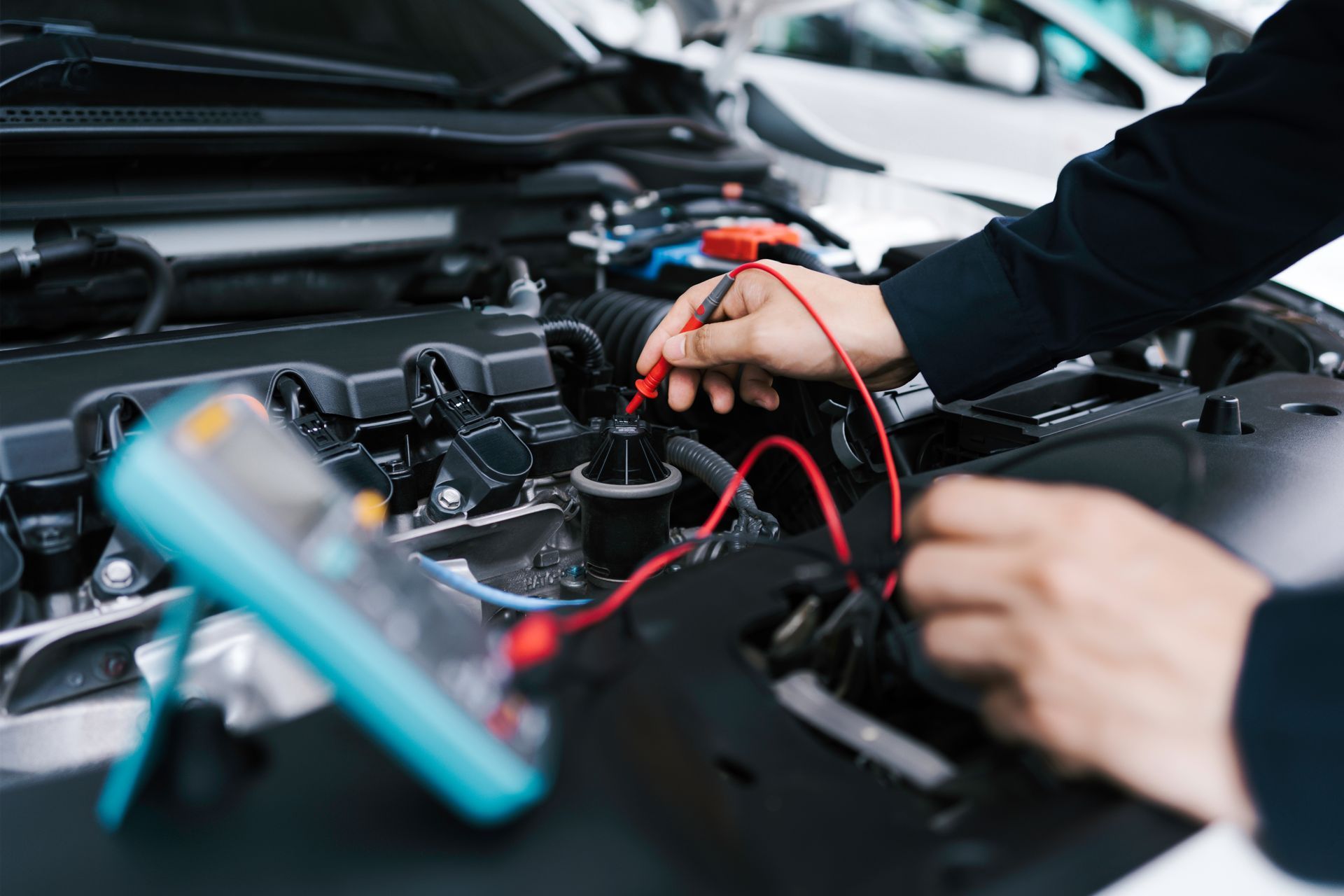
At Bernhard Auto Works in Columbia, IL, we understand how crucial your vehicle's electrical system is to its overall performance. Today's cars are complex, featuring advanced technology that makes understanding these systems more important than ever. In this guide, we're diving deep into the intricacies of automotive electrical systems, providing you with the knowledge you need to keep your car running smoothly. Understanding the Automotive Electrical System Your vehicle's electrical system is a network of interconnected components, including the battery, starter, and alternator, that work together to power various functions. From the moment you insert your key to start the engine, to the operation of your headlights and infotainment systems, the electrical system is at work. The Battery's Role The battery provides the electricity needed to start your vehicle. It also powers essential systems when the engine is off. Regular maintenance of your battery can prevent issues like unexpected breakdowns. At Bernhard Auto Works, we recommend checking the battery's age and testing its voltage regularly, which can easily be done during routine inspections at our Columbia, IL location. The Function of the Alternator While the battery starts the engine, the alternator keeps it running by supplying power to electrical systems and recharging the battery. A failing alternator can cause dimming lights or sluggish electrical operation. It's important to address these issues promptly to avoid being stranded, and we at Bernhard Auto Works are prepared to assist with any alternator repairs or replacements you may need. Common Electrical System Problems Even with the best care, electrical system issues can arise. Being aware of early warning signs can help you address problems before they escalate, saving you time and money. Here are some common signs of an electrical system malfunction: Warning Lights Dashboard warning lights are there for a reason. If you see the battery light or other alerts, it's time to visit Bernhard Auto Works. Our skilled technicians in Columbia, IL will diagnose and fix the issue efficiently. Electrical Failures Failures in auxiliary systems like power windows, locks, or the stereo can indicate a broader electrical problem. Trust our team to troubleshoot and resolve these issues, ensuring that every feature of your vehicle works seamlessly. Preventative Measures for a Healthy Electrical System Preventative maintenance can extend the life of your car’s electrical system. Here’s how you can maintain robust performance: Regular Inspections Routine check-ups are essential. At Bernhard Auto Works, we thoroughly inspect the electrical components of your vehicle in Columbia, IL, ensuring everything runs optimally. This includes checking connections and replacing worn-out wires or fuses. Battery Care Ensure the longevity of your battery by keeping it clean and free from corrosion. Consider battery testing before winter, as cold weather can significantly impact battery life. Why Choose Bernhard Auto Works? Choosing the right auto shop is crucial for the longevity and reliability of your vehicle. Bernhard Auto Works stands out for our commitment to customer satisfaction and comprehensive knowledge of automotive systems. Our Columbia, IL location offers the latest technology and skilled technicians who are eager to assist you with all your automotive needs. Whether you’re dealing with an electrical issue or just want a routine check, we invite you to experience our outstanding service. Empower yourself with the understanding that caring for your car's electrical system today can prevent costly repairs in the future. Your vehicle's health is our priority, and we're here to help.
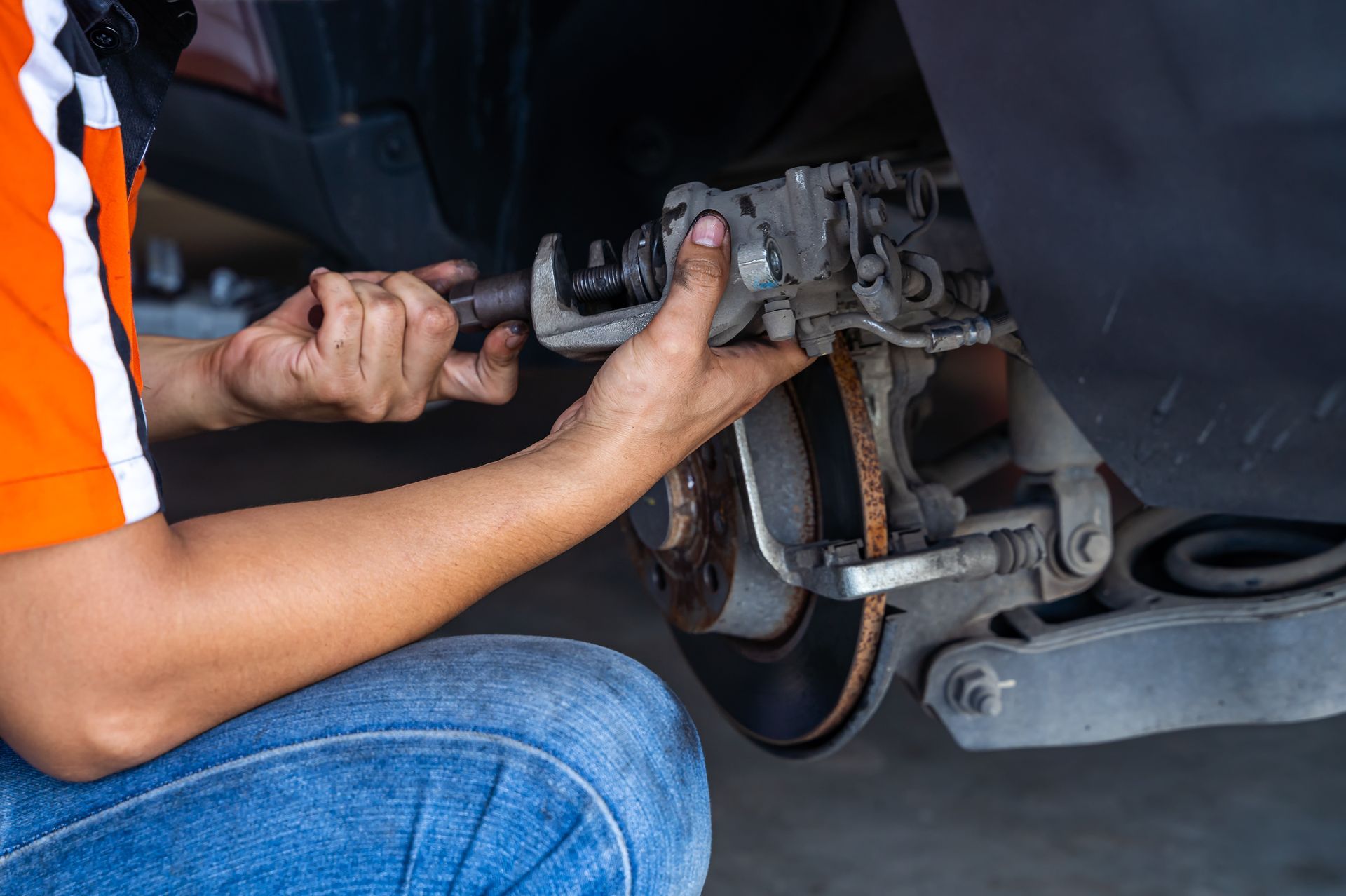
Brake maintenance is one of the most critical aspects of vehicle care, ensuring both your safety and that of others on the road. At Bernhard Auto Works in Columbia, IL , we understand the importance of keeping your braking system in top shape. Whether you're a seasoned driver or new to automotive care, our comprehensive guide will empower you with the knowledge to make informed decisions about your car's brake health. The Importance of Regular Brake Checks Regular brake checks are fundamental for safe driving. Brakes are your vehicle's top safety feature, and neglecting them could lead to catastrophic consequences. At Bernhard Auto Works, we recommend a full brake inspection at least once a year or every 12,000 miles. This schedule helps identify wear and tear early, preventing costly repairs down the line. Signs Your Brakes Need Attention Knowing the warning signs of brake issues can save you time, money, and stress. You might need to visit us at Bernhard Auto Works if you experience any of these symptoms: Squeaking or Squealing Noises: If you hear high-pitched squeals when applying your brakes, the brake pads might be worn and need replacing. Grinding Sounds: A metal-on-metal grinding noise typically indicates the brake pads are completely worn, potentially damaging your rotors. Vibrations: Vibrations through the steering wheel when braking can indicate out-of-round rotors. Longer Stopping Distances: If your car requires more distance to stop than usual, it’s time for a brake system review. Understanding Different Brake Components Your braking system comprises several components working in harmony to stop your vehicle efficiently. Here's a quick breakdown of the key parts: Brake Pads: These are the friction material pieces that press against the rotors to slow your car. Rotors: Also known as discs, they are the surfaces against which brake pads press. Calipers: Calipers squeeze the brake pads against the rotors to stop the vehicle. Brake Fluid: A crucial liquid that applies force to your brakes and performs under high pressure and temperatures. DIY Brake Checks vs. Professional Inspections While some may feel comfortable performing basic DIY brake inspections, professional inspections at Bernhard Auto Works in Columbia, IL, cover a lot more ground. Here's why professional care is essential: Thorough Inspections: Our technicians inspect all components, from pads and rotors to the brake fluid itself. Advanced Diagnostics: We use advanced tools to detect issues invisible to the naked eye, ensuring no potential problem goes unnoticed. Expertise: With years of experience in brake repair and maintenance, our team brings an unmatched level of expertise to each service. How Bernhard Auto Works Ensures Top-Notch Brake Services At Bernhard Auto Works, we're committed to providing the highest quality brake repair and replacement services. Here's what sets us apart: Quality Parts: We use only the best, OEM-quality parts for all replacements, ensuring longevity and reliability. Customer Satisfaction: Our goal is to exceed customer expectations with every service, building a relationship based on trust and transparency. Comprehensive Care: From minor adjustments to complete system overhauls, we have the expertise to handle all your brake needs. Conclusion: Your Safety Is Our Priority Maintaining your vehicle's brakes is paramount, and partnering with experts like Bernhard Auto Works in Columbia, IL, ensures peace of mind. We invite you to schedule a brake check or discuss any concerns with our knowledgeable technicians. Your safety is a priority, and we are here to help keep you safe on the road. Visit us today!
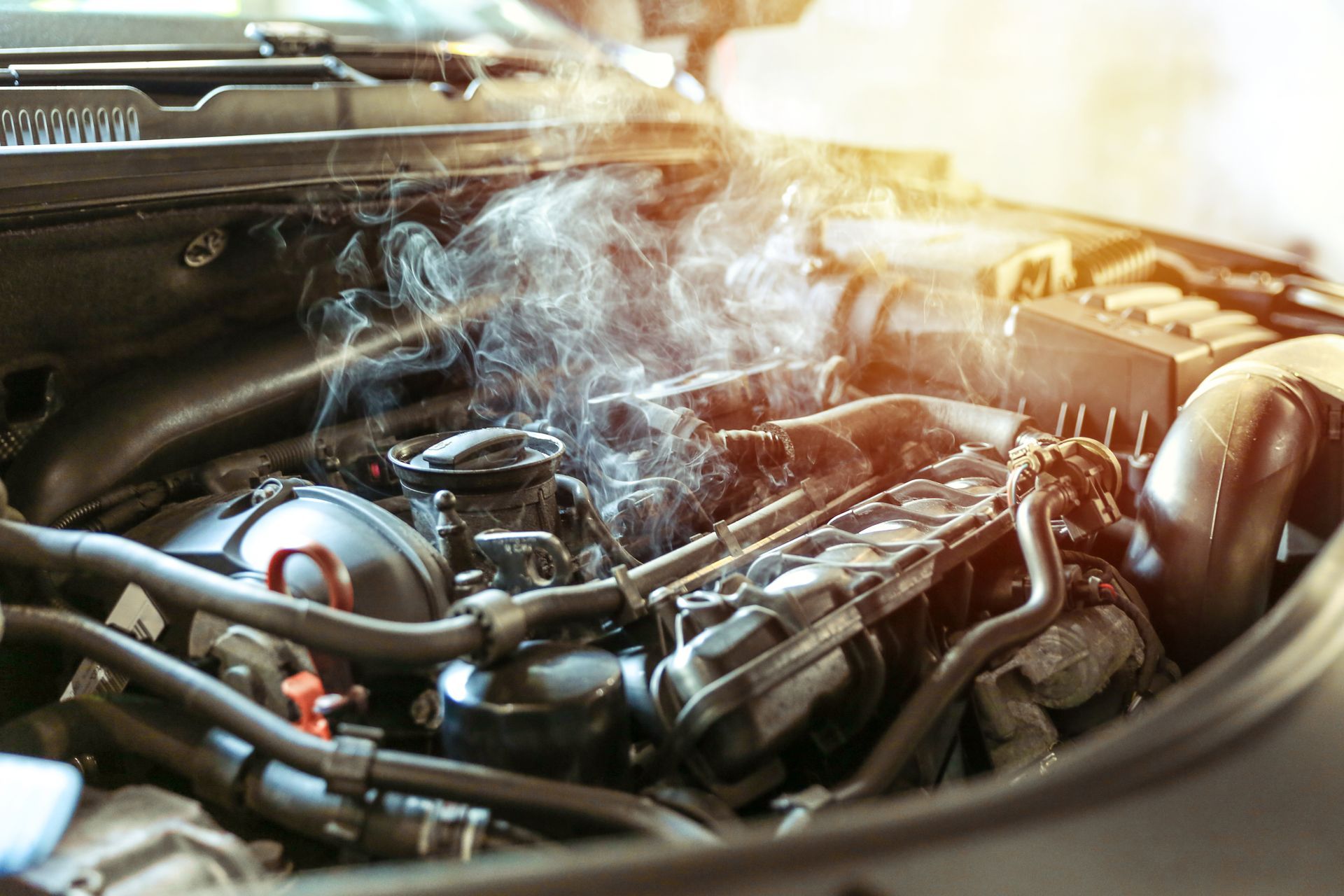
As we navigate the roads of Columbia, IL, maintaining an efficient cooling system in our vehicles is crucial. At Bernhard Auto Works, we understand the vital role a properly functioning cooling system plays in preventing engine overheating and ensuring your vehicle runs smoothly. In this comprehensive guide, we delve into the intricacies of cooling system maintenance and repair, empowering you with the knowledge to make informed decisions about your car's needs. Understanding Your Vehicle's Cooling System Before we jump into maintenance tips, let's explore the basics of a vehicle's cooling system. The primary function of the cooling system is to dissipate the heat generated by the engine and maintain the optimum operating temperature. Key components include the radiator, water pump, thermostat, hoses, and coolant. Signs Your Cooling System Needs Attention Keeping an eye out for early warning signs can help you address issues before they become major problems. Common indicators include: Rising temperature gauge. Coolant leaks under your vehicle. Steam or unusual odors emanating from the engine bay. Frequent need to top off your coolant. If you experience any of these signs, it's time to seek professional assistance from Bernhard Auto Works, your trusted partner in Columbia, IL, for cooling system repair. Why Regular Cooling System Maintenance Matters Preventive maintenance is key to avoiding costly repairs in the future. Regularly inspecting and servicing your cooling system can prevent issues like radiator corrosion, hose leaks, or a failing thermostat. At Bernhard Auto Works, we recommend a cooling system check at least once a year or every 12,000 miles. This routine inspection ensures your vehicle performs optimally in all seasons. DIY Tips for Cooling System Care While some aspects of cooling system care are best left to professionals, there are a few things you can do to maintain your vehicle between visits to Bernhard Auto Works in Columbia, IL: Check Coolant Levels: Ensure your coolant is at the proper level. Low levels can lead to overheating. Inspect Hoses and Belts: Look for signs of wear, cracks, or leaks in hoses and belts, which can cause sudden breakdowns. Radiator Clean-Up: Keep your radiator clean from debris that can block airflow and reduce cooling efficiency. Professional Cooling System Repair at Bernhard Auto Works While DIY maintenance plays an important role, some repairs require the expertise of seasoned professionals. At Bernhard Auto Works, we bring years of experience in diagnosing and repairing cooling systems in Columbia, IL. When you bring your vehicle to us, we conduct a thorough inspection to pinpoint any issues. Our comprehensive repair service includes: Full cooling system diagnostics. Repair or replacement of faulty components. Coolant flush and refill with the recommended fluid. Efficiency testing to ensure optimal performance. We pride ourselves on our commitment to using high-quality parts and providing services that meet the manufacturer's specifications, guaranteeing the longevity and reliability of your vehicle. The Bernhard Auto Works Difference What sets Bernhard Auto Works apart is our dedication to customer satisfaction and community engagement. Being based in Columbia, IL, we understand the local conditions and the specific challenges vehicles face. Our team is always ready to offer personalized advice and solutions tailored to your individual needs. At Bernhard Auto Works, we don't just fix cars; we build relationships based on trust and transparency. Our goal is to ensure your vehicle performs at its best so you can drive safely and confidently. Conclusion Maintaining a reliable cooling system is not just about preserving your vehicle's performance; it's about safeguarding your peace of mind. With the expert services provided by Bernhard Auto Works in Columbia, IL, you can ensure your cooling system remains in peak condition. Whether you're dealing with an existing issue or seeking preventive maintenance, our dedicated team is here to help. Remember, regular care and prompt attention to any warning signs will save you time, money, and stress in the long run. If your vehicle's cooling system needs attention, don't hesitate to reach out to Bernhard Auto Works. Visit us today and experience the difference that professional automotive care can make!
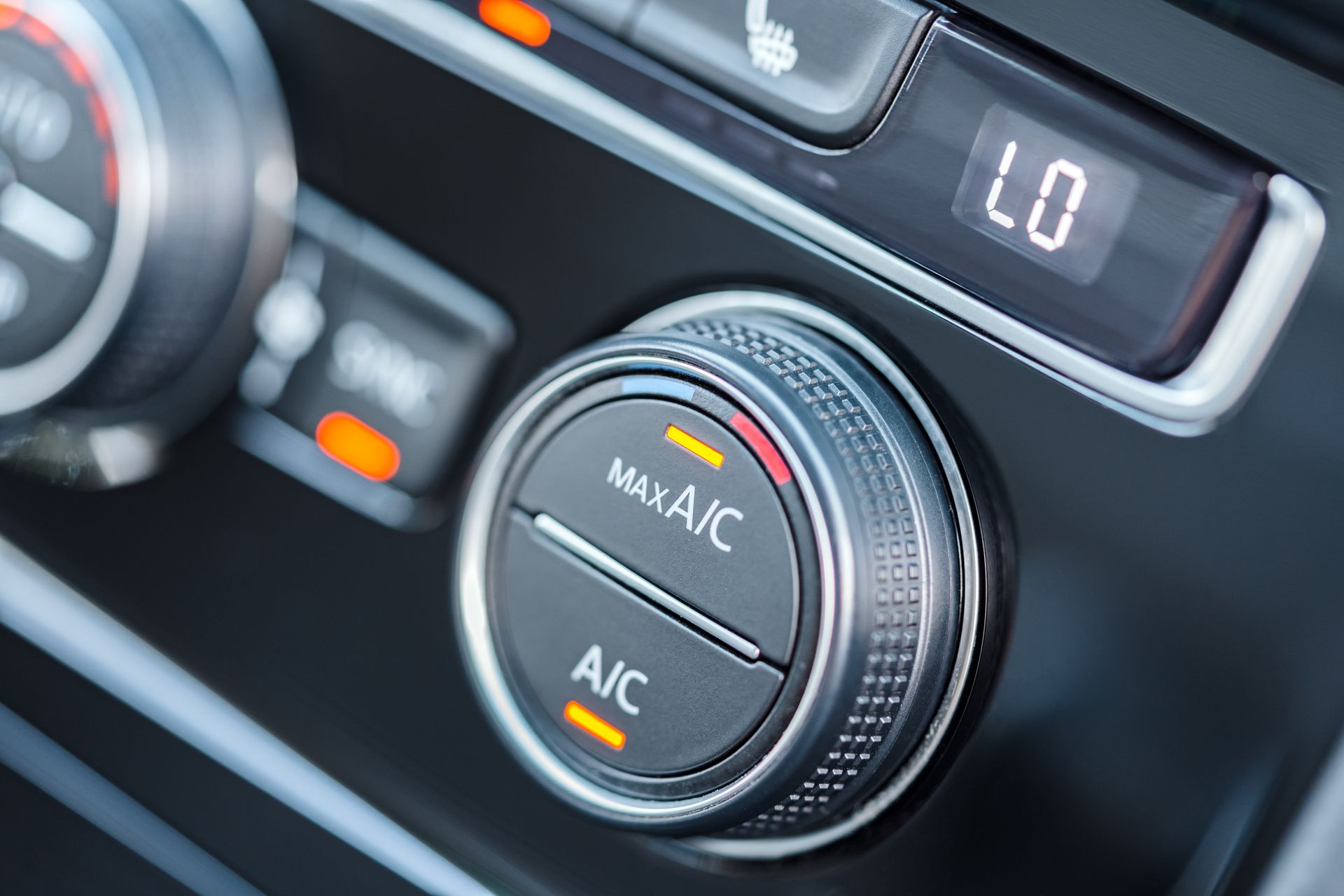
Welcome to Bernhard Auto Works, where we’re dedicated to keeping your ride cool in the summer heat and warm during the chilly winters. As residents of Columbia, IL, we know just how important a well-functioning climate control system can be in ensuring your driving comfort year-round. At Bernhard Auto Works, we often hear from customers who are puzzled either by inconsistent air conditioning performance or an inefficient heating system. Today, we’re diving deep into the workings of your car's climate control system. We aim to help you understand it better and give you the tools to maintain it efficiently. Understanding Your Climate Control System The climate control system in your vehicle is a sophisticated yet essential mechanism that regulates heating, cooling, and humidity management. It combines several components, including the heater core, evaporator, blower fan, and a series of ducts. Each part plays an integral role in controlling your car's internal climate efficiently. Signs of Climate Control System Problems It's crucial to know when your climate control system isn't performing at its best. Look out for signs such as weak airflow, unusual noises from the internal components, a musty smell, or inconsistent temperature output. If you experience any of these, it might be time to give us a call at Bernhard Auto Works for a diagnostic check. Regular Maintenance Tips Regular maintenance is key to a system running at optimal conditions: Change the cabin air filter every 12,000 to 15,000 miles. A clean filter ensures efficient airflow and a healthy interior environment. Run your air conditioner regularly, even during winter, to keep the components properly lubricated and functional. Check for coolant leaks periodically, as they can severely affect your heater and cooling performance. We are Here to Help When maintenance or repairs are beyond your DIY capabilities, don’t hesitate to reach out to the experts at Bernhard Auto Works. Our team in Columbia, IL, is trained to assess, troubleshoot, and efficiently repair climate control issues, ensuring your vehicle's system remains in prime working order. Conclusion In Columbia, IL, where the weather can range dramatically from season to season, maintaining your car's climate control system becomes not just a convenience but a necessity. At Bernhard Auto Works, our promise is to deliver quality service that leaves you driving comfortably no matter the weather outside. Visit us today for all your automotive climate control needs; we’re here to serve the community with top-tier expertise and friendly service.